DIGITĀLĀ AĢE · THE RIVER REMEMBERS
History
The river has its own flow. Its banks have their own stories. Discover Aģe through time, from early records to memories that are still alive today.
Follow the river's story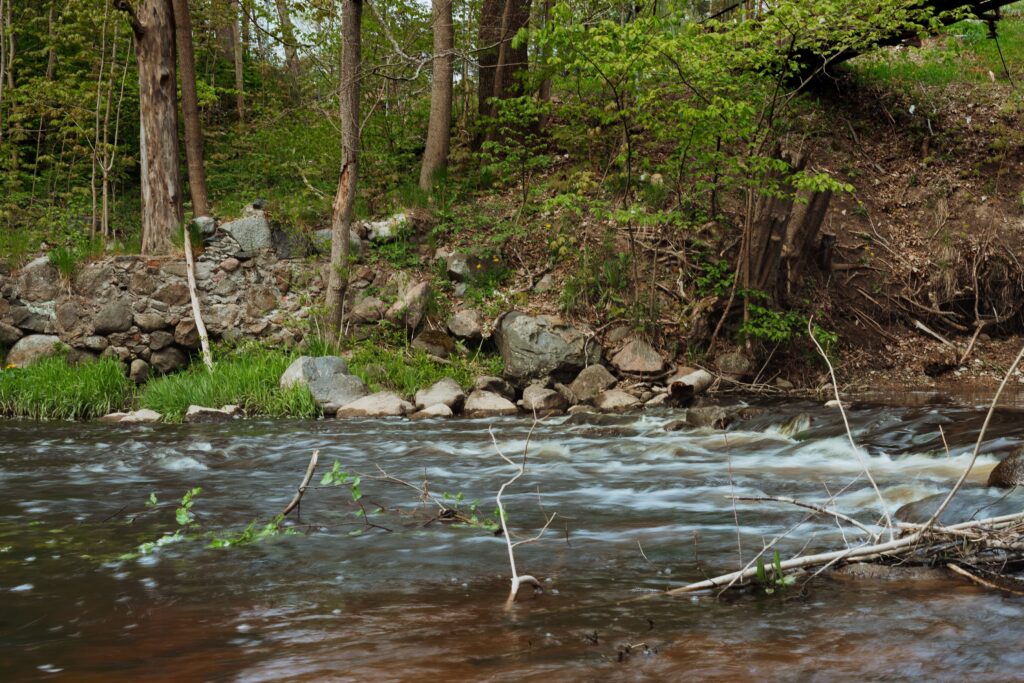
13th century
01 / 06
“Adya” in the Chronicle of Henry of Livonia
The Aģe River was first mentioned as “Adya”, said to mean “bank” or “edge” in Livonian.
 Open image
1923
02 / 06
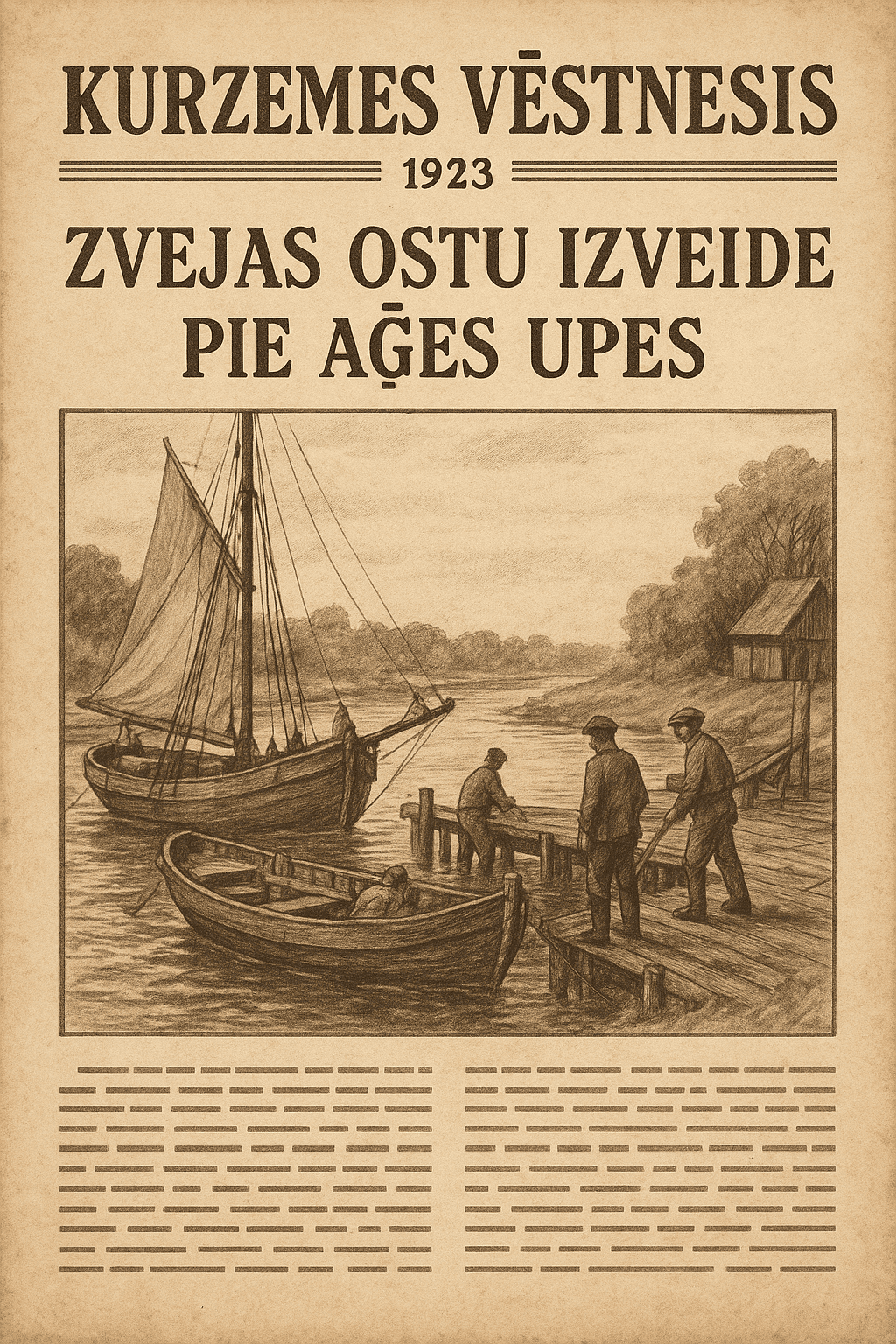
Plans for fishing harbours
Kurzemes Vēstnesis reports on preparatory work for fishing harbours near the Aģe River.
 Open image
1959
03 / 06
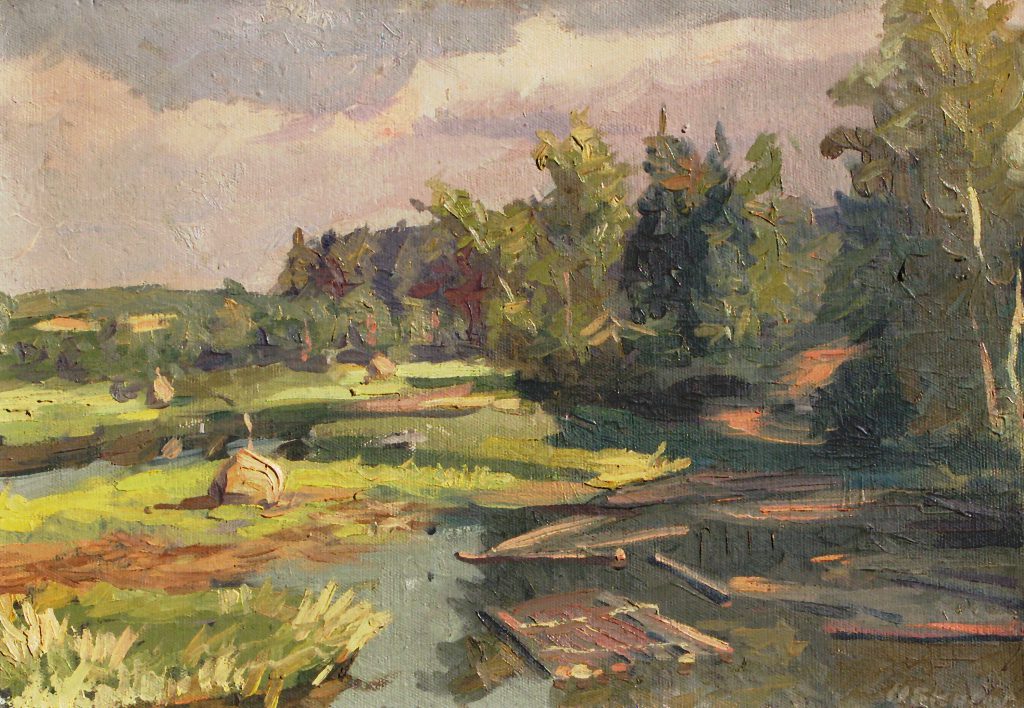
A painting by Uga Skulme
Uga Skulme depicted the Aģe River in “Aģes grīva” (The Mouth of the Aģe, 1959). The account places it alongside other notable works, including “Cīņas moments” (1926) and “J. Fabriciusa dzīve un cīņas” (1949).
The banks of the Aģe River have been a popular subject for landscape artists.
 Open image
1960s
04 / 06
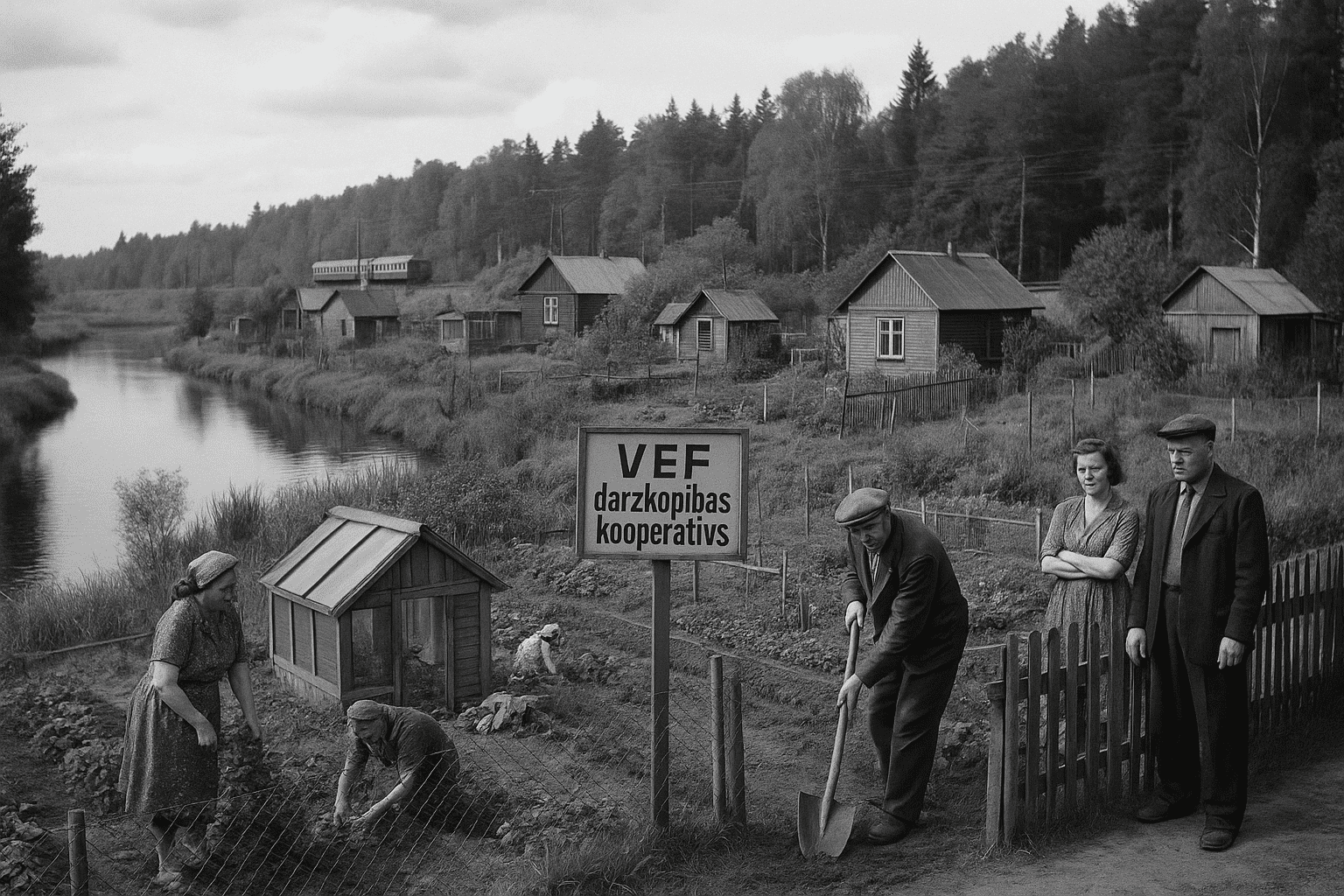
Development of VEF summer cottages
During the Soviet period, summer cottage and allotment settlements began to develop along both banks of Aģe, between the railway and the parish boundary. These settlements - VEF-Skulte, Universitāte, Kaija, Diāna, Mežvīns, Alfa, Nākotne, Saule un Koklītes - later became part of the administrative area of Skulte village.
Read moreShow less
In the late 1960s, the State Electrotechnical Factory (VEF) allocated 600 m² recreational plots to employees. This reflected the social policy of the time: providing workers with access to nature and their own green space.
However, the development met opposition from the local community. Concerns included:
Environmental concerns - construction of the settlements threatened the natural landscape along the riverbanks.
Access restrictions - public areas along Aģe were reduced.
Construction disputes - residents objected to construction too close to the river.
Defending natural beauty - local people called for the project to be stopped or relocated to preserve Aģe's scenic and ecological value.
 Open image
1989
05 / 06
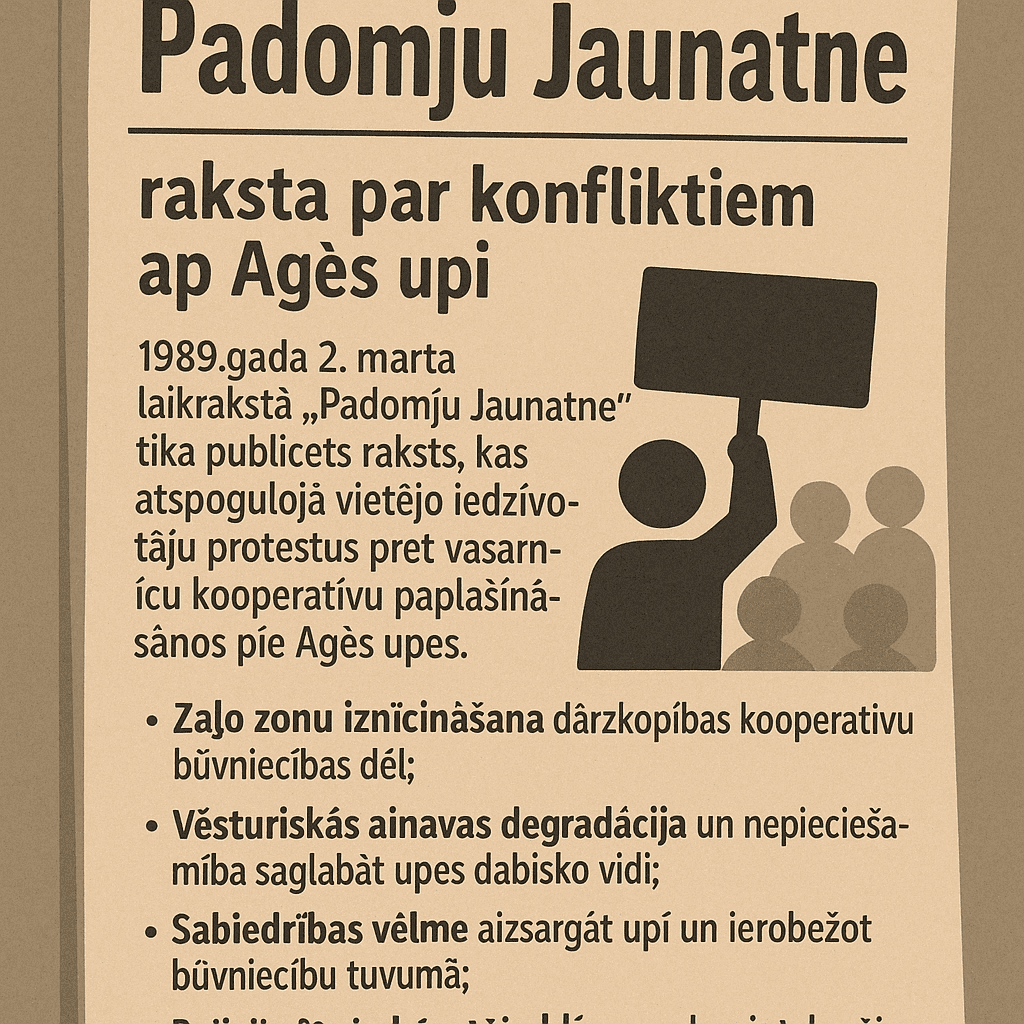
Padomju Jaunatne reports on disputes around the Aģe River.
On 2 March 1989, Padomju Jaunatne published an article describing local protests against the expansion of summer cottage cooperatives near the Aģe River.
Read moreShow less
The article highlighted several issues:
Loss of green spaces due to the construction of gardening cooperatives;
Degradation of the historic landscape and the need to preserve the river's natural environment;
The community's wish to protect the river and limit nearby construction;
Increased population density, which affected the environment and quality of life.
 Open image
2025
06 / 06
Today
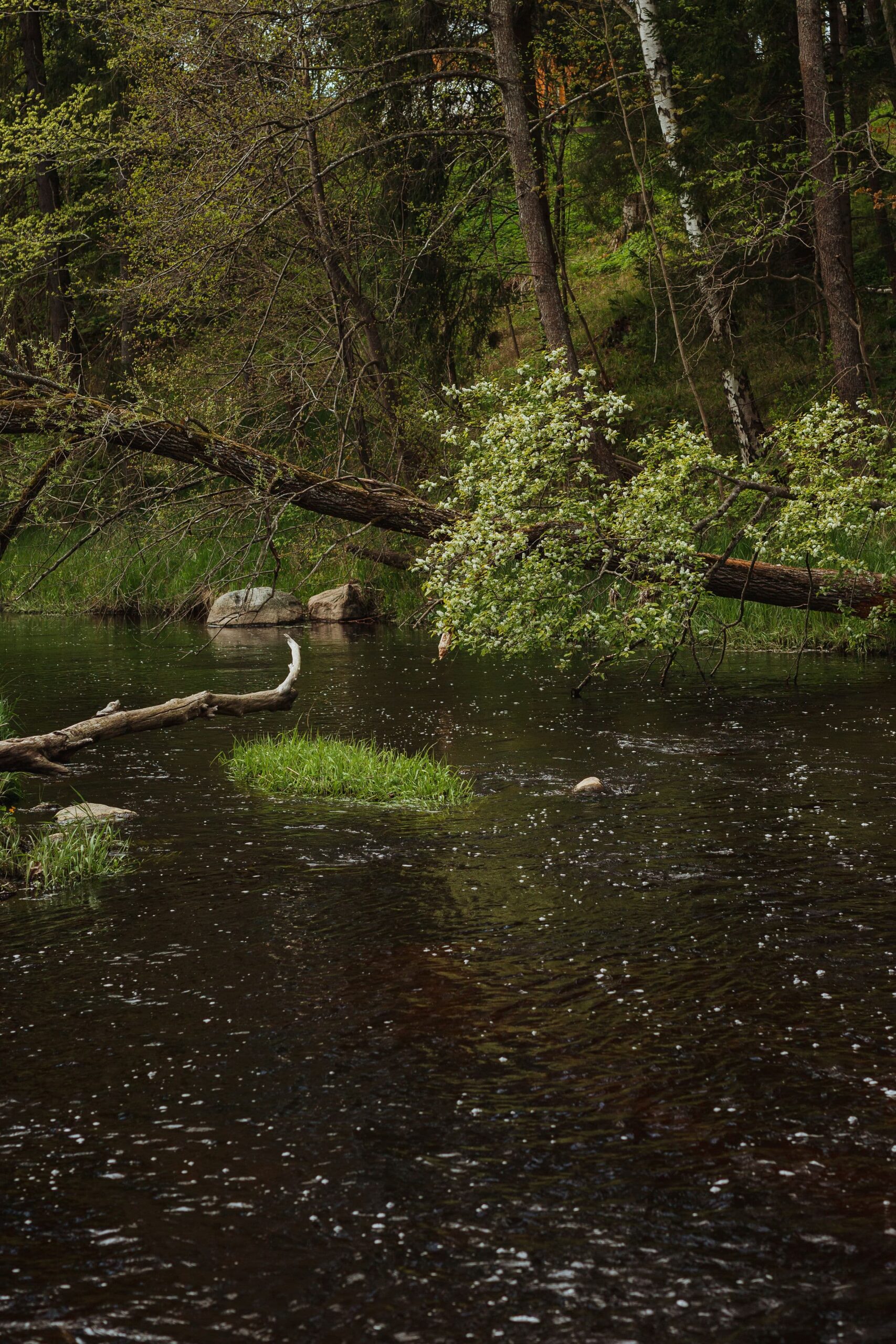
The Aģe River remains important to local residents and nature enthusiasts. Following past disputes over development, many efforts now focus on nature conservation and balanced development.
Read moreShow less
Significant water quality studies have been carried out, with the historical account describing quality as generally good. The river is monitored, and residents are encouraged to take an active part in protecting it.
Current priorities:
Maintaining ecological balance - monitoring sediment and phosphorus levels and improving opportunities for fish migration;
Community participation - observation forums, reports on barriers and community initiatives;
Preserving natural assets - particular attention to trout habitats and the study of changes caused by beavers;
Digital platforms - Digitālā Aģe gives residents opportunities to learn, share and act for the river.
 Open image
Images accompany the stories as illustrative material.